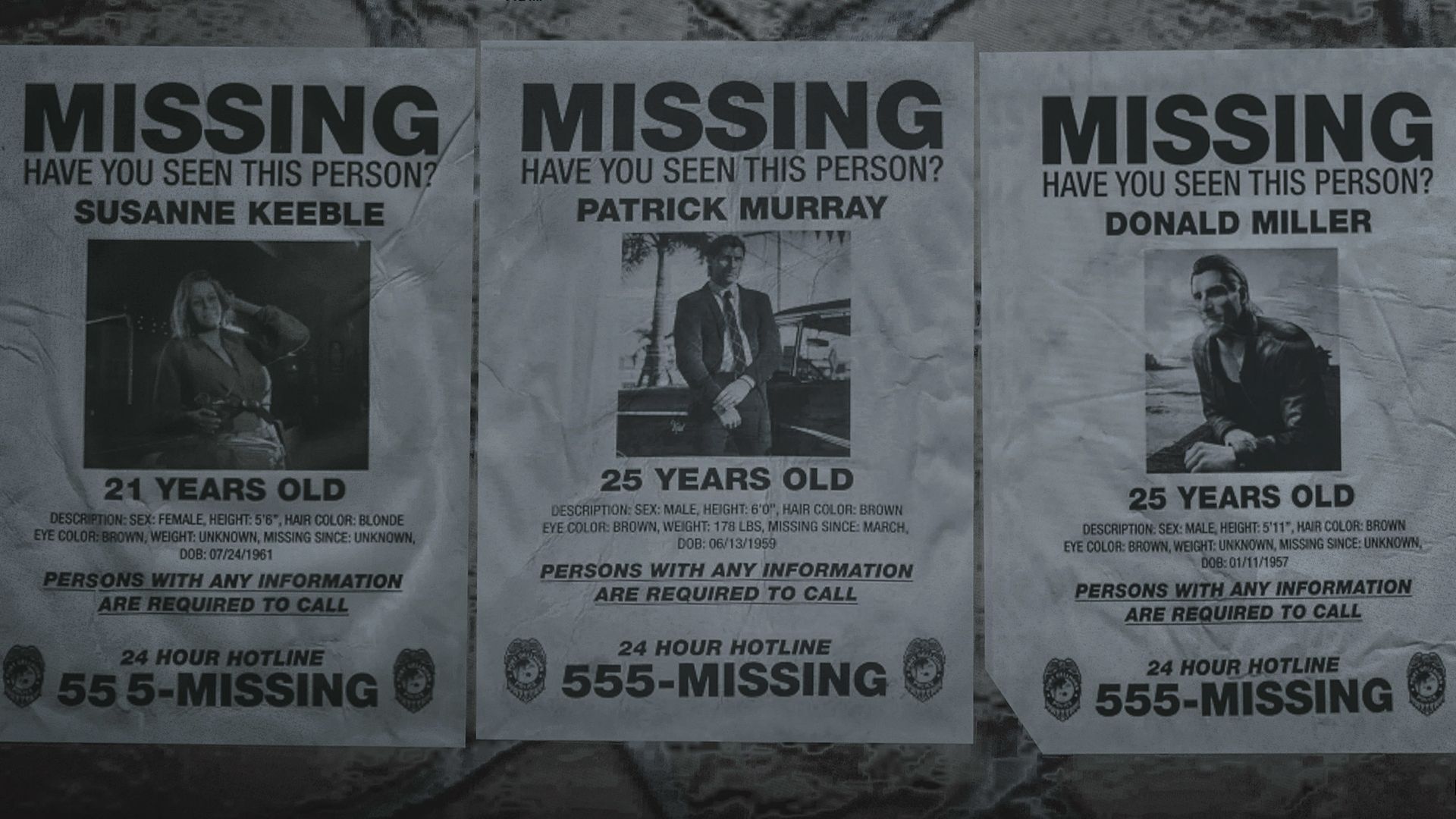
"If the player trusts you enough, they are not going to savescum": Why the makers of some of the best RPGs on PC want you to get used to failing
From the publisher’s feed, collected in the ZeroLabs newsroom.

When it comes to RPGs, I am an irredeemable savescummer. I admit it. I'll slam F9 at the drop of a hat (perhaps the hat was dropped as a result of a failed dexterity roll. Unacceptable. Reload). So when I recently found myself reloading a Divinity 2 save for the umpteenth time in a single session, I started to wonder - in a genre that's supposedly about storytelling first and foremost, why am I viewing botched persuasion checks as something to be studiously avoided? And why is it that I feel totally different about making a horrible mess of things in tabletop roleplaying games? After all, some of my fondest memories of real-life roleplaying are moments of extravagant failure: sometimes of the bathetic stepping-on-a-rake-instead-of-slaying-the-necromancer variety, and sometimes of the much more grounded, human, and affecting type. It all got me thinking: how do RPG developers think about player failure? Would they recognise the distinction between digital and tabletop that I'm describing? And can they convince a savescummer like me to renounce my ways? Read more