How China is shackling Trump's cyber agenda
From the publisher’s feed, collected in the ZeroLabs newsroom.
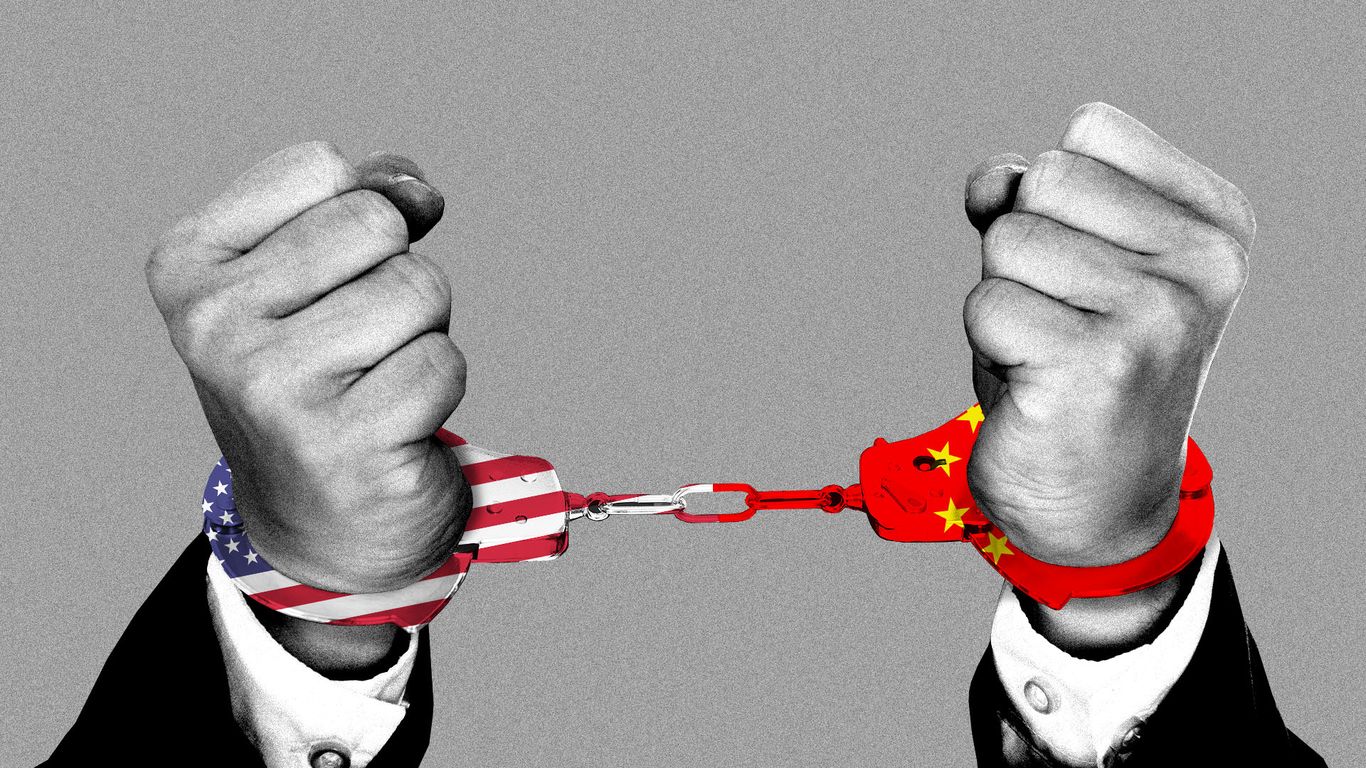
President Trump wants to drive a hard line against nation-state cyber hackers. There's just one — pretty significant — obstacle in his way: China. The big picture: China is America's biggest cyber adversary, but it's also the country that wields the most economic leverage over the U.S.For the Trump administration, keeping its promise to strike back against nation-state cyber spies, including China's, is a lower priority than managing trade ties with Beijing.Driving the news: The Trump administration has paused plans to sanction China over last year's Salt Typhoon intrusions, according to a Financial Times report last week. Officials worry sanctioning China over Salt Typhoon would hurt the trade deal framework the U.S. and China struck in October. Thus, the administration has still yet to mount any public response to one of the most sweeping cyber espionage campaigns ever to hit the U.S. A Treasury spokesperson declined to comment on the sanctions pause. A U.S. official said the administration is "committed to ushering mutually beneficial trade relations with China without compromising on our national and economic security."What they're saying: "We've made ourselves into a big target," Matt Pearl, director of the strategic technologies program at the Center for Strategic and International Studies, told Axios. "It would be unfortunate if this was more than a short-term, tactical decision." Between the lines: This isn't the first time the Trump administration has sidestepped national security concerns for economic considerations.Trump said Monday that he was lifting a blockade on exports of Nvidia's H200 chips to China, in exchange for a 25% cut from future sales for the U.S. government. Meanwhile, the TikTok ban — which passed with huge bipartisan majorities due to fears of cyber-enabled Chinese disinformation and data sharing — is still in limbo. The ban started as Trump's idea in 2020, before he changed his tune and declined to enforce it.The U.S. official noted that there are still export controls on top-of-the-line Blackwell AI chips, and that China had agreed "crack down on fentanyl precursors, purchase U.S. agricultural products, and keep rare earths flowing," under the trade truce.Zoom out: Trump's China problem comes as his administration reworks the federal government's role in cybersecurity policy and struggles to get top leaders in place. A forthcoming cyber strategy, expected as soon as next month, is reportedly just five pages. Congress failed this year to approve Trump's pick to lead the Cybersecurity and Infrastructure Security Agency — forcing the administration to resubmit a nominee for consideration in 2026. The Federal Communications Commission voted last month to roll back Salt Typhoon-inspired cyber rules for telecommunications providers.CISA is now ramping up for a hiring spree after losing more than a third of its headcount this year to buyouts and layoffs. Reality check: China has been behind a range of cyberattacks on government agencies in the last year — and the Trump administration hasn't publicly responded to any of them.Anthropic uncovered evidence of China using its AI model to orchestrate 80%-90% of a cyber espionage campaign.The Salt Typhoon hackers reportedly broke into the phones of Trump and Vice President Vance.The U.S. has also said China breached the Treasury Department last December.Yes, but: Sanctions are just one tool the administration can use to target China, and it's been common in past administrations to tamp down anti-China rhetoric and actions during similar economic negotiations, Pearl said. Indictments of individual hackers, visa restrictions and offensive cyber strikes are all on the table, Pearl added.The annual defense policy bill includes millions for the U.S. Cyber Command to increase its own cyberspace operations.Go deeper: Beijing's hackers are playing the long game