OpenAI's Meta makeover
From the publisher’s feed, collected in the ZeroLabs newsroom.
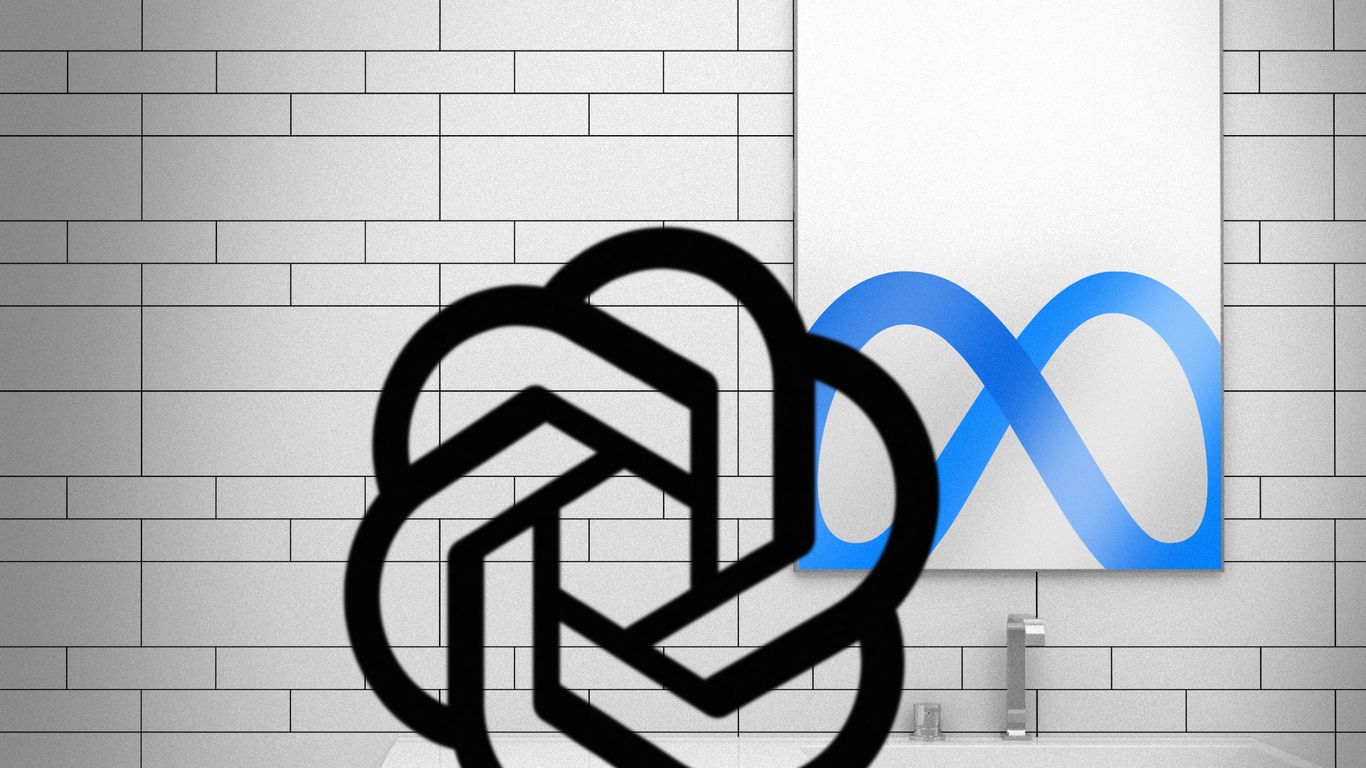
Facebook's meteoric rise two decades ago offers OpenAI a rich but potentially treacherous playbook for the ChatGPT maker to defend and expand its lead in the consumer AI market.Why it matters: Facebook, now Meta, turned its billions of users' personal data into an advertising goldmine — and that road looks like OpenAI's most likely path as it seeks to fund its fabulously expensive operations.Driving the news: OpenAI will begin testing ads on ChatGPT this month, the company recently announced.The initial wave of advertising clients will be charged premium rates, per the Information.The ad push means "more people can benefit from our tools with fewer usage limits or without having to pay," OpenAI said in a blog post. It promised to keep ChatGPT's responses "driven by what's objectively useful, never by advertising. "Between the lines: OpenAI's origins as a nonprofit research lab shaped a culture that long viewed ad-based revenue models with suspicion.As recently as October 2024, CEO Sam Altman said he found advertising in AI chatbots "uniquely unsettling" and described it as "a last resort for us as a business model."Yes, but: More recently the company has filled out its ranks with Facebook/Meta veterans steeped in that company's ad-driven, engagement-at-all-costs mindset.A study of LinkedIn postings by The Information found that roughly 20% of OpenAI's workforce list Facebook/Meta gigs on their resumes.The central figure is Fidji Simo, who was a key architect of Facebook advertising in the 2010s and was named OpenAI's CEO of applications last May.Simo "reassured" OpenAI employees on her arrival there that she did not want to replay her Meta career and would "do things differently," per an Information report.But you don't hire the executive famous for building Facebook's mobile-advertising juggernaut — and then masterminding its "pivot to video" — without some thought of putting that expertise to work.As a former public-company CEO (of Instacart), Simo would also be a logical choice to take the helm at OpenAI if it chooses the IPO route. Altman has often expressed a reluctance to remain CEO in such a scenario.Zoom out: OpenAI is under intense pressure to boost revenue as it seeks hundreds of billions of dollars to build AI infrastructure and cover operating losses.Most current OpenAI revenue comes from individual ChatGPT customers' subscription fees.Markets have been spooked by reports that ChatGPT user growth has slowed, and analysts are debating whether OpenAI is a sure bet or a money sink.A big new ad revenue stream would go a long way toward allaying those fears.The other side: Even in ChatGPT's ad-free youth, critics have decried the chatbot's tendency to tell users what they want to hear, to make up answers and to inspire psychosis-inducing rabbit-hole dives.The introduction of ads will give OpenAI that much stronger an incentive to keep users chatting longer.Early enthusiasm for OpenAI's Sora video-making app led some OpenAI employees to publicly question the company's push into social media.Users who confide in an AI chatbot expect it to be working on their behalf, not for some paying third party.As Altman himself put it in that October 2024 interview: "When I think of GPT writing me a response, if I had to go figure out, you know, exactly how much was who paying here to influence what I'm being shown, I don't think I would like that."Our thought bubble: Expect OpenAI's early ad forays to be low-key, as the firm seeks to preserve users' trust.For instance, one mockup for the first ChatGPT ad pilots reportedly places sponsored material in a sidebar that only appears once a conversation has turned toward discussing purchases.Over time, as users grow accustomed to the ads and OpenAI needs to goose growth, the ad placements and engagement farming are likely to become more aggressive.That would be a page from Google's playbook rather than Facebook's.The search giant transformed itself very slowly, over two decades, from a research-driven startup that distrusted the ad model into the world's largest advertising company.There wasn't any single moment when most users would say, "Now they've gone too far." There was just a time when users collectively realized they were in a vastly different place.